A good Smoky Mountains trip is really four decisions made in the right order: when to go, which town to base in, where to stay, and what to prioritize. Get those right and the rest falls into place. This guide walks through each, plus how to get around and how many days you actually need.
When should you visit the Smoky Mountains?
Each season is a genuinely different trip:
- Fall (late Sept–Oct): the headline season — peak color, mild days, cool nights. Also the busiest and priciest, so book early. For color, target the second and third weeks of October.
- Spring (Apr–June): wildflowers, green trails, fewer crowds, and the best value before summer. Some higher trails stay cool into May.
- Summer (July–Aug): warmest and busiest, with near-daily afternoon thunderstorms. Great for water and Dollywood; plan an indoor backup.
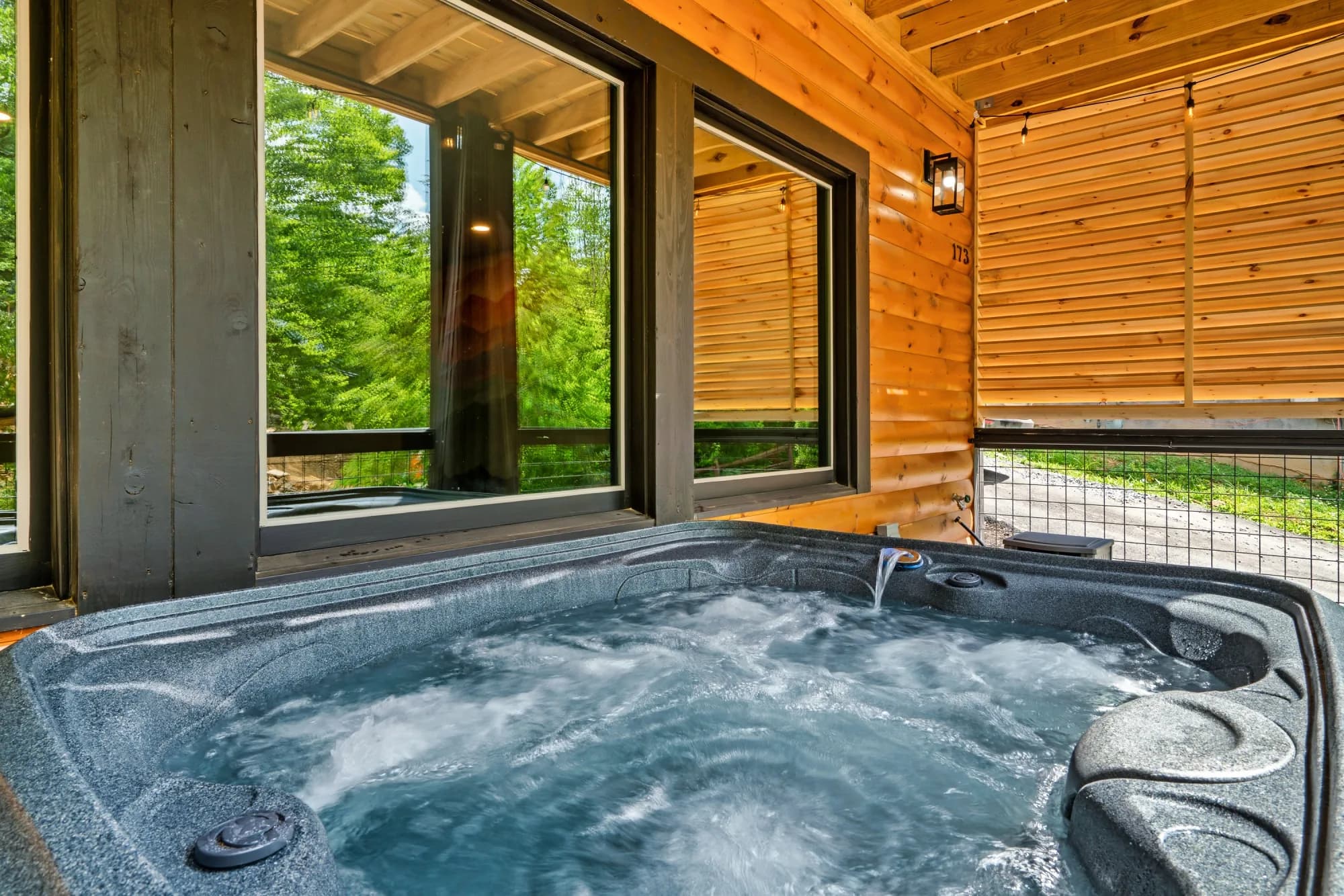
- Winter (Dec–Feb): quiet, cold, and the cheapest cabins of the year — the smart play if your cabin has a hot tub and a heated indoor pool.
Before you lock dates, skim the park's current conditions and seasonal road status — a few high-elevation roads close in winter, which affects what you can reach.
Sevierville, Pigeon Forge, or Gatlinburg — which town?
The three names you'll see, and what they actually mean:
- Sevierville: the most space and the best cabin value. Most large cabins are here on bigger, more private lots, a few minutes north of the action.
- Pigeon Forge: the center of the attractions — Dollywood, dinner shows, go-karts, the Parkway. Stay here to be closest to all of it.
- Gatlinburg: the national-park gateway, walkable downtown, steeper terrain and tighter lots (so smaller cabins).
A useful thing to know: many cabins advertised as "Pigeon Forge" are physically in Sevierville, which borders it. Don't let the address throw you — you're still 15–20 minutes from everything.
Is a cabin or a hotel better?
For two or more couples, or any family group, a cabin wins on nearly every axis — space to spread out, a full kitchen, a hot tub or pool, and a lower cost per person than several hotel rooms. A hotel only makes sense for a quick solo or one-couple overnight.
If you're traveling as a group, a 4-bedroom cabin near Pigeon Forge that sleeps 12 keeps everyone under one roof with room to breathe — and booking direct saves you the OTA service fees.
How do you get around?
You'll want a car. The three towns string along the Parkway, and the national park has no public transit, so plan to drive everywhere. Two things that trip people up:
- Parkway traffic. The Pigeon Forge/Gatlinburg Parkway crawls on summer and fall weekends. Do park mornings early and save the Parkway for the evening.
- The park itself. Cades Cove is an 11-mile one-way loop that can take two hours in peak season — budget for it rather than squeezing it in. Note the park now requires a paid parking tag for any vehicle stopped longer than 15 minutes.
What should you actually do?
You won't do everything in one trip, so pick a lane per day:
- National park day: the Cades Cove loop, a waterfall hike (Laurel Falls or Grotto Falls), and an overlook for sunset. Go early — the popular lots fill by mid-morning.
- Pigeon Forge day: Dollywood if you have kids or like coasters; otherwise the Parkway, the shows, and the Island.
- Slow day: the one people skip and regret. A morning at the cabin, a short drive, an easy afternoon. It's the reason you rented a cabin instead of a hotel.
What's your rainy-day backup?
Afternoon storms are common in summer and winter brings cold snaps, so have a wet-weather plan. The simplest insurance is a cabin with an indoor pool — a rained-out afternoon becomes a swim afternoon, and nobody loses a day. Pair it with Pigeon Forge's indoor attractions (the aquarium, museums) for a full backup. Our pool page covers what the setup looks like — size, temperature, and the room it sits in.
How many days do you need?
Three to four nights is the sweet spot: one park day, one Pigeon Forge / Dollywood day, and one slow day. A week is comfortable for a bigger group that wants to settle in. Two nights works but feels rushed once you account for drive time.
Plan in that order — when, where (town), where (cabin), what — and a Smokies trip mostly plans itself.
Mountain expert and travel writer specializing in Smoky Mountain adventures and luxury cabin experiences.


